Brush Care
How to Clean Makeup Brushes
How to Clean Makeup Brushes: 8 Easy Steps
The Right Way — Step by Step
By Kali Los Angeles · July 2026 · 5 min read
Knowing how to clean makeup brushes properly is one of the most overlooked habits in a skincare routine — and skipping it is a common cause of breakouts, uneven makeup application, and shortened brush life. Whether you use natural goat hair brushes or synthetic fiber brushes, a proper cleaning routine keeps your tools performing at their best — and protects your skin at the same time. According to the American Academy of Dermatology, dirty makeup tools can transfer bacteria directly onto skin.
This guide covers everything you need to know: how often to clean, what to use, the exact step-by-step process, and the most common mistakes that damage brushes.
Why Cleaning Your Brushes Matters
Every time you use a makeup brush, it picks up product, skin oils, dead skin cells, and bacteria. Left uncleaned, brushes become a breeding ground for bacteria that transfers directly back to your skin with every use — contributing to breakouts, irritation, and uneven skin texture.
Beyond skin health, dirty brushes perform worse. Bristles clogged with old product cannot pick up fresh pigment properly, leading to patchy, streaky application. A clean brush applies makeup the way it was designed to.
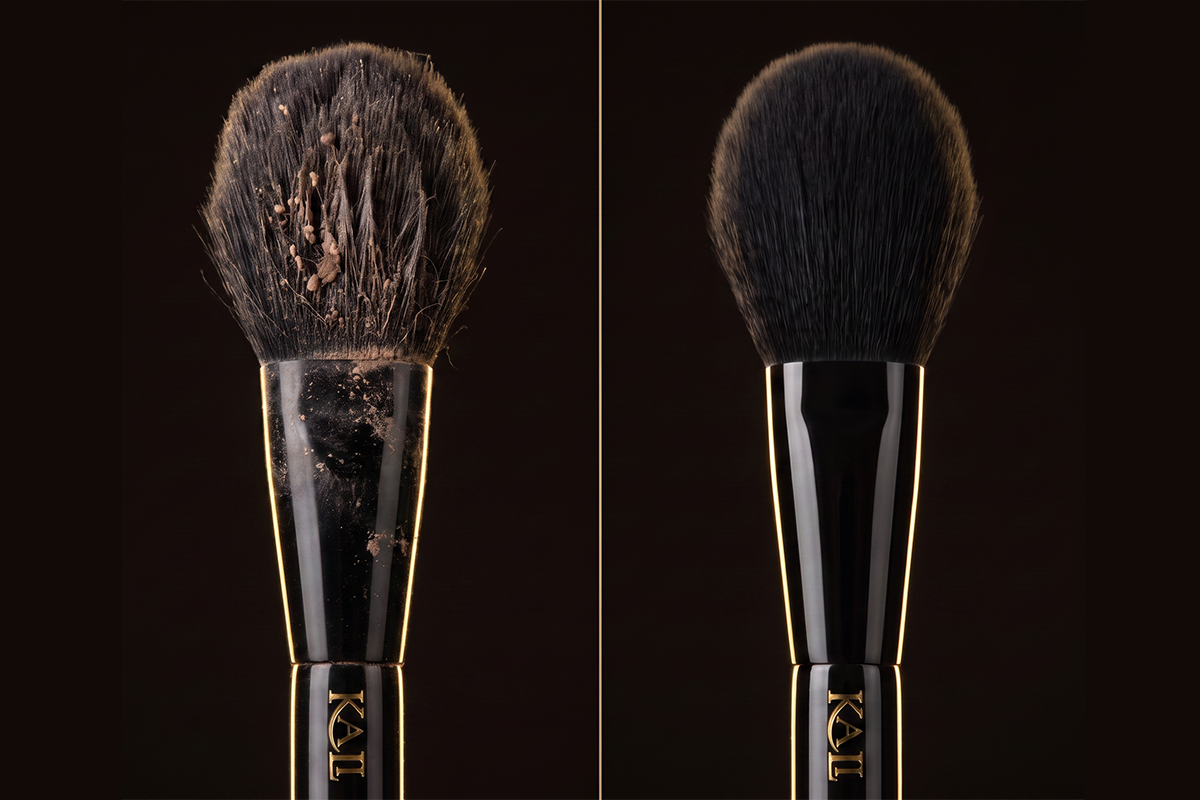
For brushes made with natural Sokoho goat hair — like the Kali Los Angeles LK 103, LK 105, and LK 107 — proper cleaning also preserves the delicate natural fibers, keeping them soft, shapely, and performing like new for years.
How Often Should You Clean Your Brushes?
For: Foundation and concealer brushes
Why: Liquid and cream products build up fast and harbour bacteria
How: Brush cleaning spray on a tissue, swipe until clean
Time: 30 seconds
Best for: LK 101 Foundation Brush (synthetic)
For: All brushes — powder, blush, highlight, foundation
Why: Removes all product buildup, bacteria, and skin oils completely
How: Full wash with cleanser and water
Time: 5–10 minutes for your full set
Best for: All Kali LA brushes, especially natural hair
Natural goat hair brushes like LK 103, LK 105, and LK 107 may need deep cleaning every 7–10 days depending on frequency of use. Synthetic brushes like LK 101 used daily for foundation should be spot cleaned after each use.
What You Need
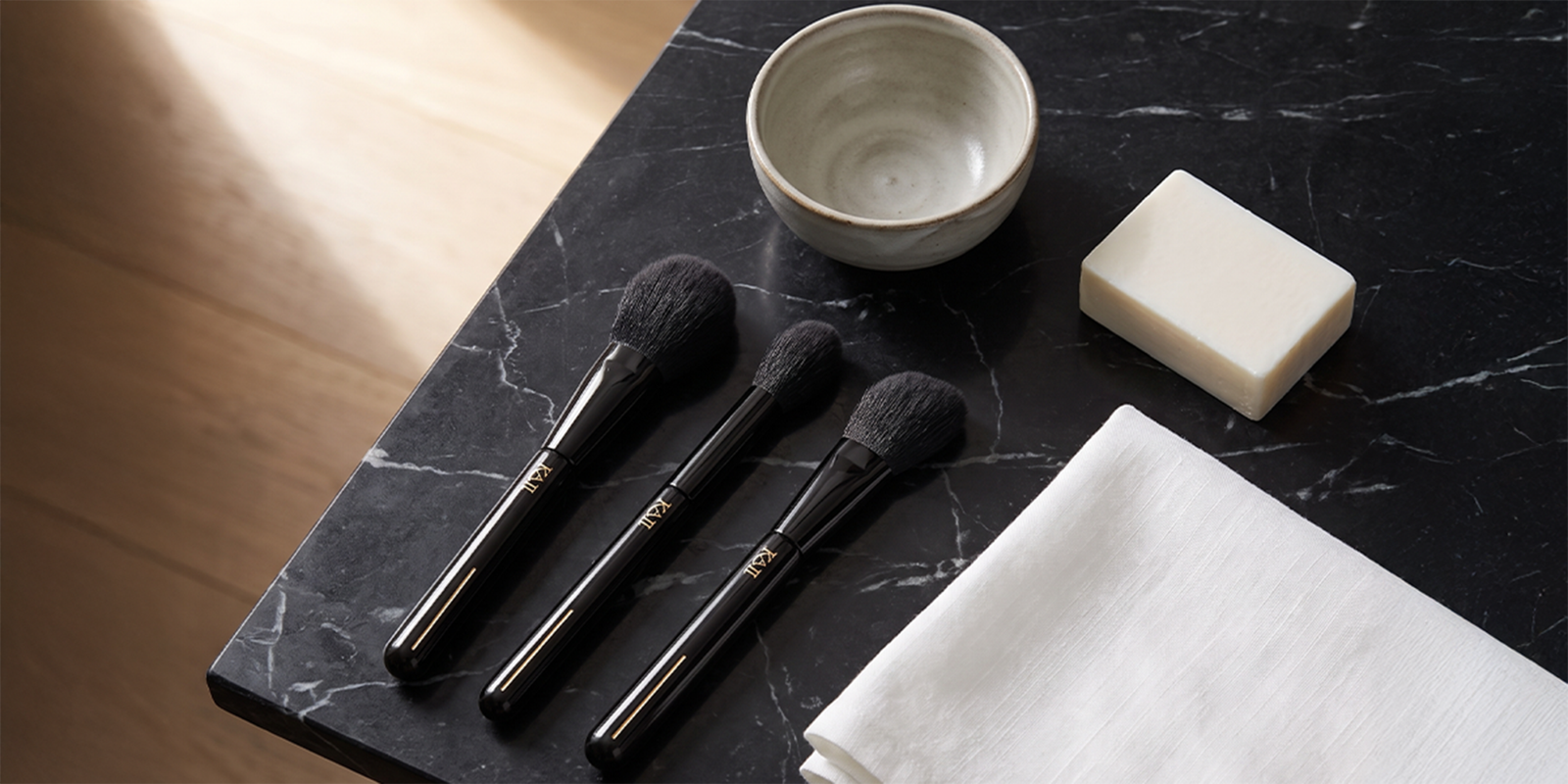
Gentle brush cleanser or mild baby shampoo
A small bowl or your cupped palm
Clean lukewarm water (never hot)
A clean dry towel or cloth
A brush guard or brush roll (optional, for drying)
Tip: Avoid dish soap or alcohol-based cleaners — these strip the natural oils from goat hair fibers and dry out the bristles over time, causing shedding and breakage.
How to Clean Makeup Brushes: Step by Step
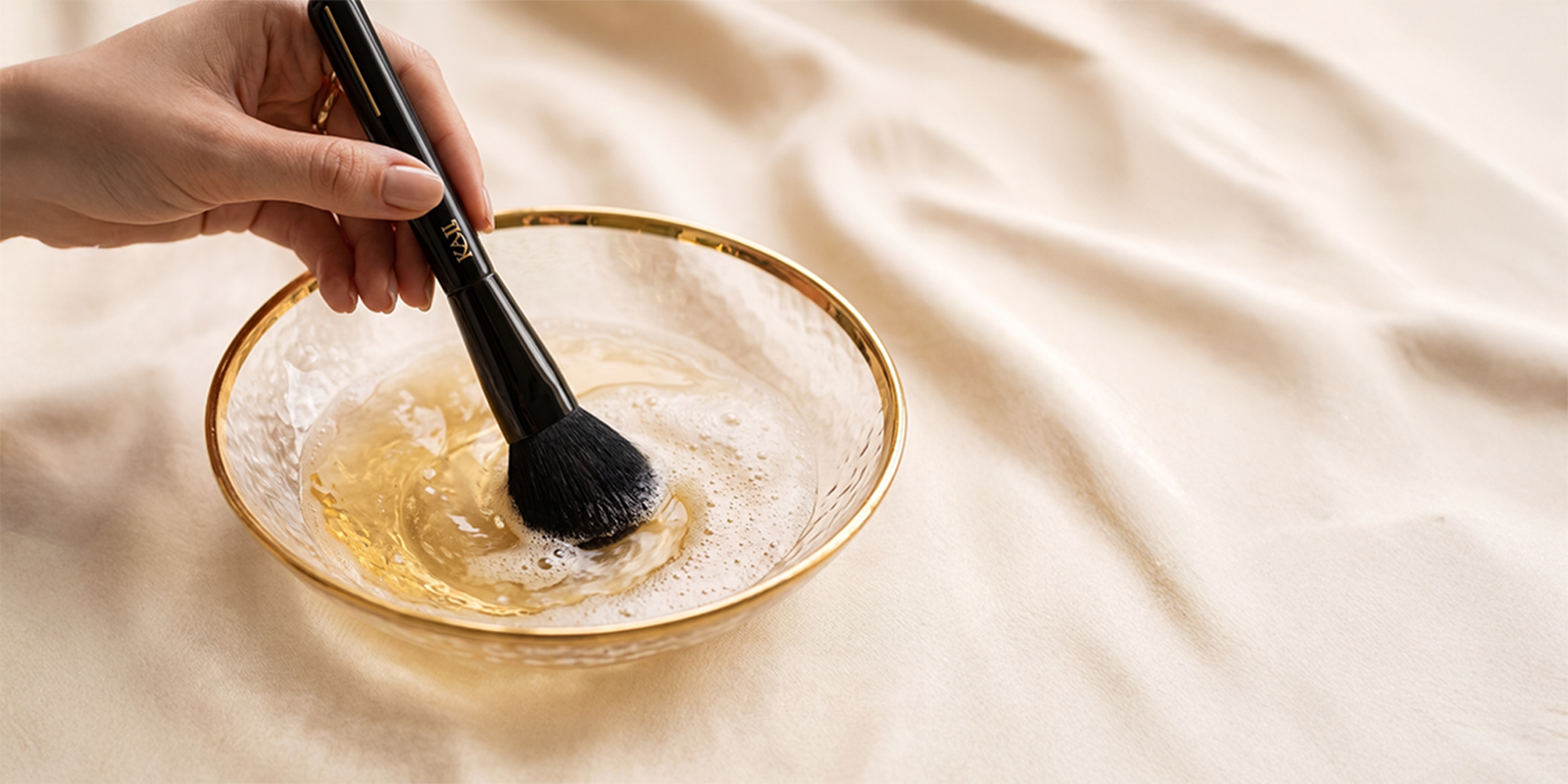
Wet the bristles under lukewarm running water, always pointing the brush head downward. Never let water run up into the ferrule — this dissolves the glue that holds the bristles in place, causing shedding.
Put a small amount of gentle brush cleanser or baby shampoo into your palm or a small bowl. A pea-sized amount is enough for most brushes.
Swirl the brush head in gentle circular motions in your palm or the bowl. You will see product releasing from the bristles. Be gentle with natural hair brushes — the fibers are delicate.
Rinse under lukewarm running water, bristles pointing down, until the water runs completely clear. Residue left in bristles can irritate skin and make bristles stiff.
Gently squeeze the bristles from the ferrule toward the tip using your fingers. Do not twist or pull — this loosens the bristles and distorts the brush shape.
While the brush is still damp, gently reshape the bristles back to their original form. Natural goat hair especially holds its shape best when reshaped while wet.
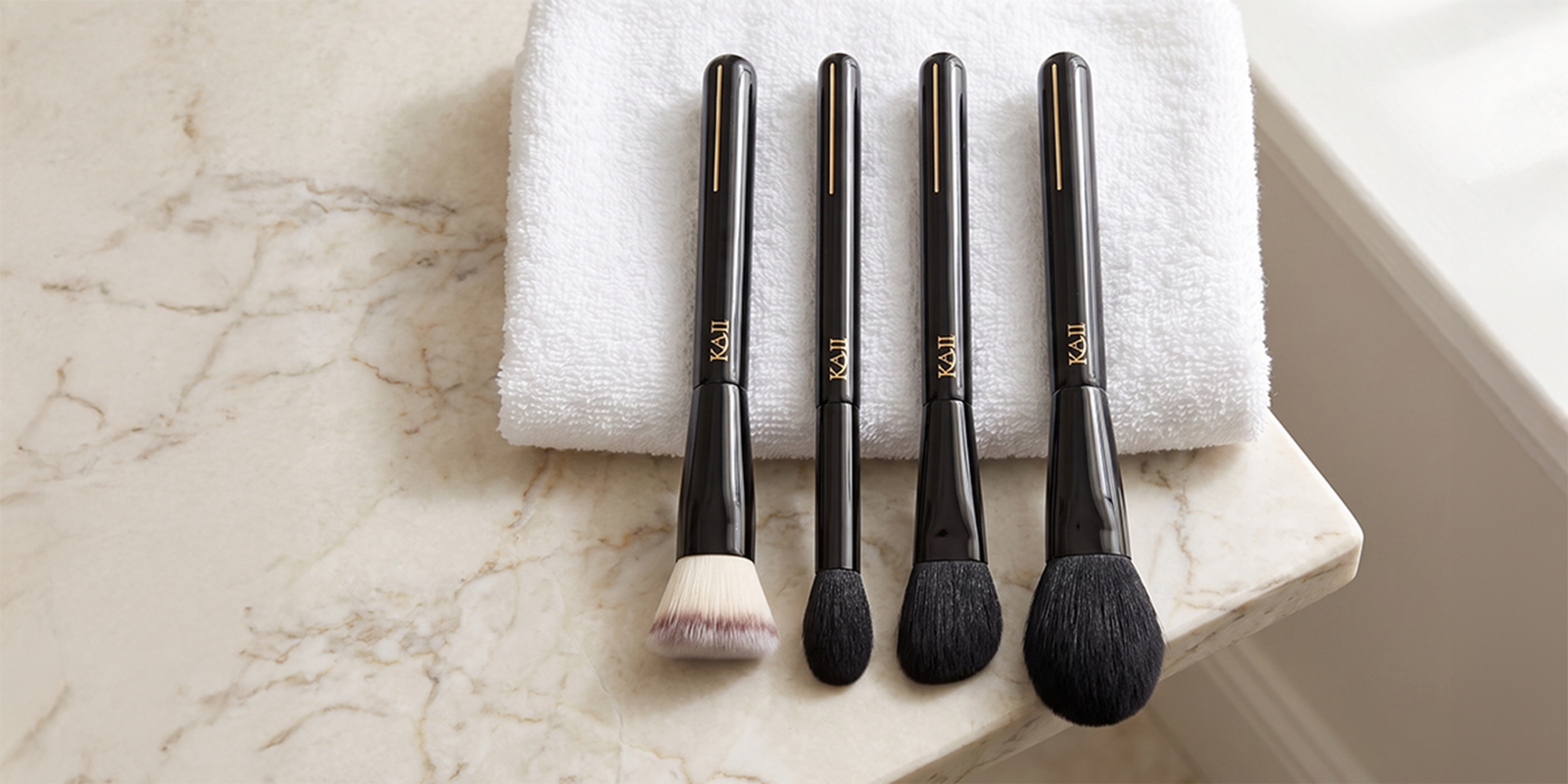
Place brushes flat on a clean towel with the bristles hanging slightly over the edge. Never stand brushes upright in a cup to dry — water drains into the ferrule and loosens the glue.
Natural hair brushes take 4–8 hours to dry fully. Synthetic brushes dry faster — 2–4 hours. Make sure brushes are completely dry before using.
Natural Hair vs Synthetic — Cleaning Differences
Deep clean weekly
Use only gentle cleanser, never harsh soap
Never soak in water, damages natural fibers
Reshape while wet, critical for maintaining brush shape
Dry 6–8 hours minimum
Condition occasionally with a drop of hair conditioner
Handle gently, natural fibers are delicate
Spot clean daily after foundation use
More resilient, tolerates more frequent washing
Easier to clean thoroughly, non-porous fibers release product quickly
Dries faster, 2–3 hours
No special conditioning needed
Can handle slightly warmer water temperature
Common Mistakes That Damage Your Brushes
Submerging brushes loosens ferrule glue and causes mass shedding. Always keep water away from the ferrule.
Hot water damages natural goat hair fibers and can melt synthetic fibers over time. Always use lukewarm water.
Aggressive side-to-side scrubbing distorts the brush shape permanently. Use gentle circular motions only.
Water pools at the ferrule and dissolves the glue. Always lay flat or hang bristles-down to dry.
Overloading a brush means more cleanser needed and more wear on the bristles. A light touch extends brush life significantly.
Once product buildup hardens in the bristles — especially in natural hair — it becomes much harder to remove without damaging the fibers.
How Long Do Makeup Brushes Last With Proper Care?
A well-made makeup brush maintained properly can last 5–10 years. The key factors are cleaning frequency, cleaning technique, and storage.
Natural hair brushes like Kali Los Angeles LK 103, LK 105, and LK 107 — made with Sokoho goat hair — develop a quality called “seasoning” over time with proper care. The fibers soften further with use and become even more effective at blending powder products. Many professional makeup artists keep their natural hair brushes for a decade or more.
Signs it is time to replace a brush:
Bristles shed excessively after cleaning
Brush shape no longer returns after washing
Bristles feel scratchy or stiff even after cleaning
Ferrule feels loose or wobbly
For a quick refresh between uses — especially foundation brushes — spritz brush cleaning spray onto a clean tissue, then swipe the bristles across it until no more product transfers. Ready to use again in 30–60 seconds.
Brushes Built to Last
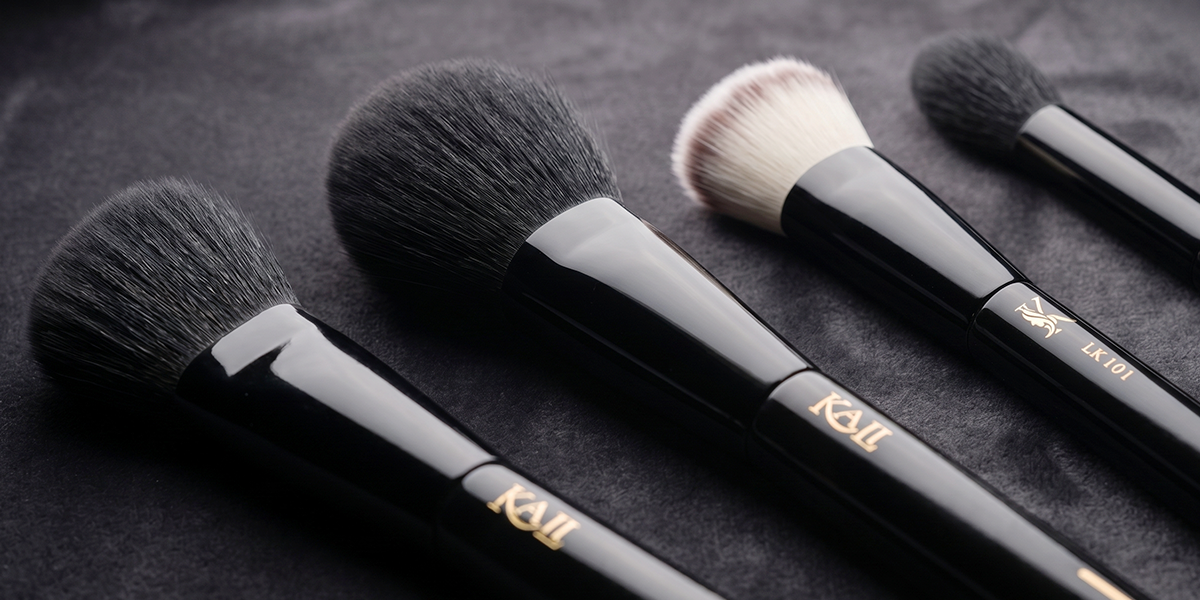
The Complete Collection
Kali Los Angeles brushes are handcrafted to perform for years with proper care. Natural Sokoho goat hair. Ships within 1–2 business days from Los Angeles.
Shop The Complete Collection →Free shipping on orders over $55 · Use code WELCOME10 for 10% off your first order
Frequently Asked Questions
How often should I clean my makeup brushes?
Spot clean foundation and concealer brushes after every use. Deep clean all brushes once a week. Natural goat hair brushes used daily may need deep cleaning every 7–10 days.
What is the best thing to clean makeup brushes with?
A dedicated brush cleanser or mild baby shampoo works best. Avoid dish soap, alcohol-based products, or harsh chemical cleaners — these damage natural hair bristles.
Can I use baby shampoo to clean natural hair brushes?
Yes. Baby shampoo is gentle enough for natural goat hair fibers and removes product buildup effectively.
Why are my brush bristles falling out after washing?
The most common cause is water entering the ferrule. Always keep the ferrule dry — point bristles downward under running water and never submerge the brush.
How long do makeup brushes take to dry?
Natural hair brushes take 6–8 hours. Synthetic brushes take 2–4 hours. Allow brushes to dry completely before using.
Should I condition my natural hair makeup brushes?
Occasionally. After deep cleaning, apply a tiny drop of hair conditioner to the bristles, work it in, then rinse thoroughly. Do this once a month.
How do I reshape my brush after washing?
While still damp, gently press and reshape the bristles back to their original form. As the brush dries flat, the bristles set in the correct shape.
Can I use the same cleanser for natural hair and synthetic brushes?
Yes — gentle brush cleanser or baby shampoo works for both. Synthetic brushes are more resilient; natural hair brushes should be handled gently.

Written by the Kali Los Angeles team, luxury makeup brush specialists based in Los Angeles, California.